
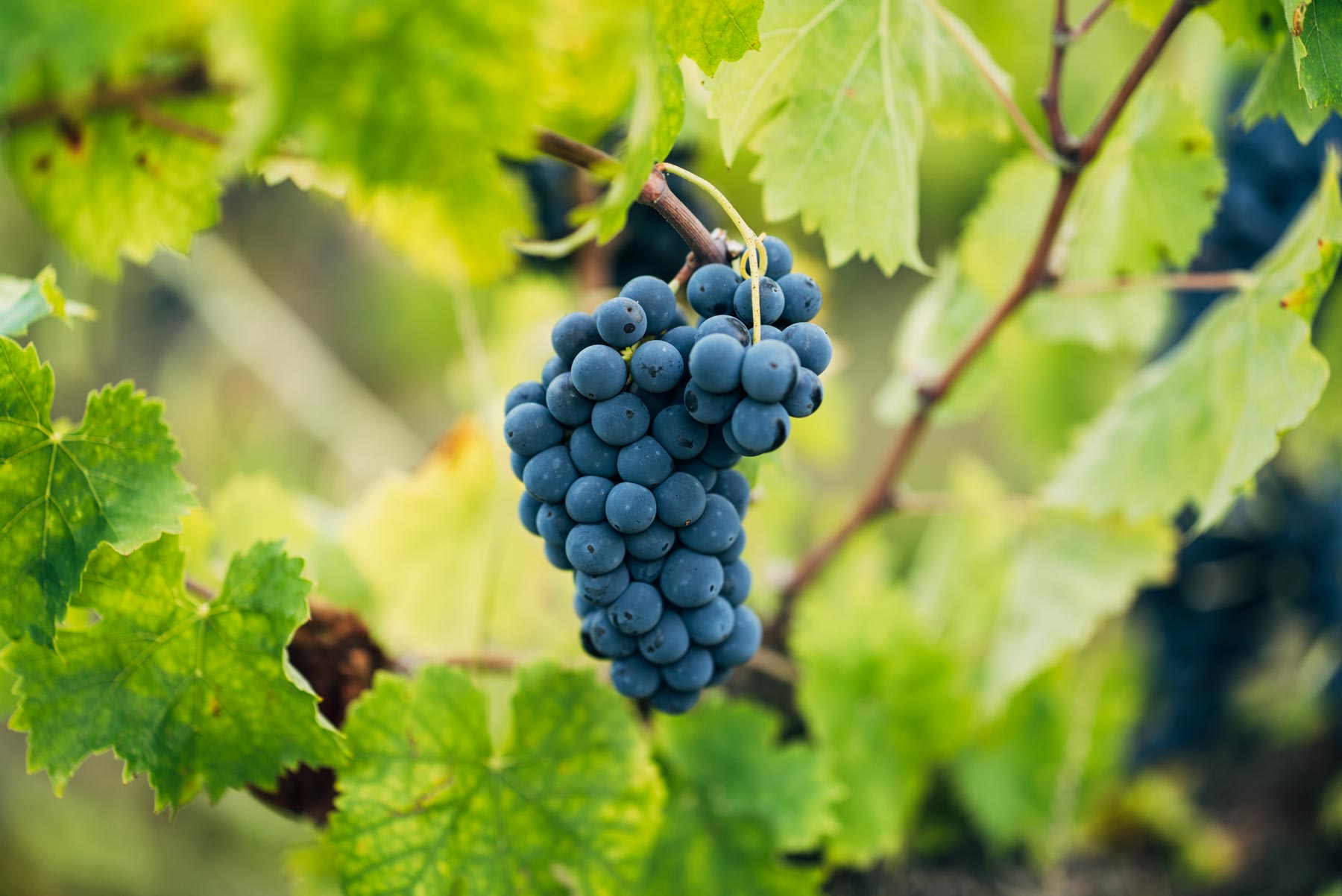
The history of Sagrantino di Montefalco, a highly tannic red wine from Umbria, Italy, is an ancient one with origins rooted in religious tradition and a modern resurgence that elevated it to international acclaim. The precise origin of the Sagrantino grape is uncertain, with several theories existing:
Monastic Importation: A widely held belief is that Franciscan monks brought the vine to Umbria from either Asia Minor (Syria/Georgia) or Greece during their pilgrimages or missions in the Middle Ages.
Indigenous Cultivation: Another theory suggests the grape is native to the Montefalco area, perhaps a local, spontaneous cross-fertilization of wild grapes that has grown there for millennia.
Roman Era: Some scholars connect the grape to the “Itriola” grape mentioned by Pliny the Elder in Roman times.
The name “Sagrantino” is likely derived from either the Italian word “sacro” (sacred) or “sagra” (feast/celebration), reflecting its historical use as a sacramental or communion wine for religious ceremonies and local festivities. Historically, it was produced almost exclusively as a sweet passito style wine, made by partially drying the grapes to concentrate their sugars.
For a period, particularly following the Second World War, the low-yielding Sagrantino grape fell into obscurity and neared extinction as commercial wine production focused on high volume.
A significant turning point occurred in the 1970s when local producers, notably Arnaldo Caprai, began efforts to preserve and revitalize the grape, experimenting with a dry (secco) version. This modern, dry style was an immediate success and gained prominence over the traditional sweet version.
The wine’s quality was officially recognized by the Italian government:
1979: Sagrantino di Montefalco was granted DOC (Denomination of Origin Controlled) status for both the dry and passito versions.
1992: It was elevated to DOCG (Denomination of Origin Controlled and Guaranteed) status, the highest classification in Italy, solidifying its place among the country’s most important wines.
Today, Sagrantino di Montefalco is celebrated for its distinctive, bold, and tannic profile, with strict regulations requiring a minimum of 33 months of aging, including at least 12 months in oak barrels, before release. The production zone covers the entire municipality of Montefalco and parts of four surrounding areas in the province of Perugia. Visitors can explore this history and the production area via the “Strada del Sagrantino” wine route or at the new Sagrantino Museum in the Museum Complex of Saint Francis.
Arnaldo Caprai’s approach to Sagrantino blends tradition with innovation, focusing on enhancing the powerful native grape through techniques like Vinification Intégrale involving long skin contact (up to 70 days) in barriques, manual marc rotation (remuage) for softer extraction, and extended aging in French oak and bottle to achieve elegance, complexity, and silky tannins, rather than just raw power.